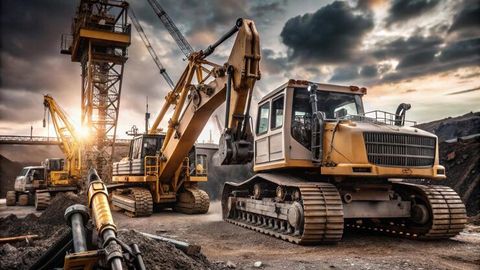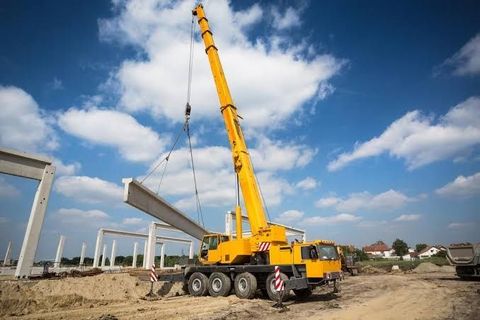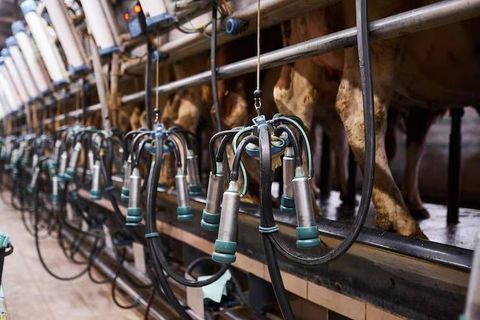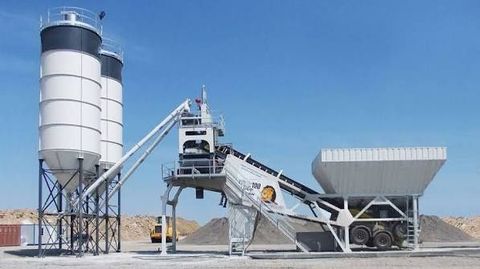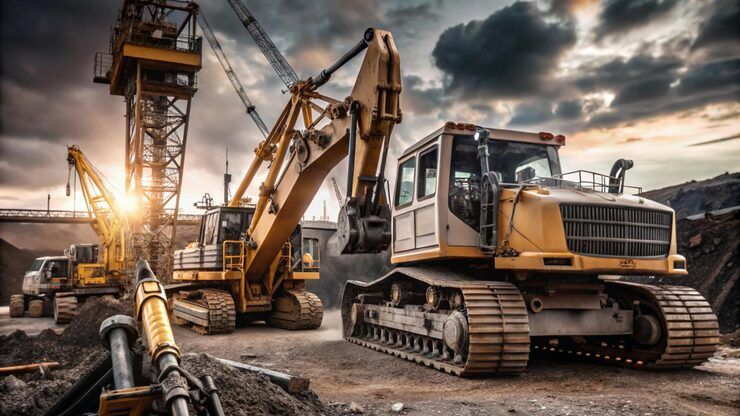
Heavy machine equipment refers to large mechanical systems designed to perform demanding tasks such as excavation, lifting, hauling, grading, drilling, crushing, material handling, and industrial production. These machines are used across construction, mining, agriculture, transportation, manufacturing, energy, and infrastructure projects.
An understanding of heavy equipment helps people recognize how different machines work, where they are used, and what factors affect their safe operation. Common examples include excavators, bulldozers, wheel loaders, cranes, graders, dump trucks, forklifts, drilling machines, and specialized industrial equipment.
Context – Heavy Machine Equipment Basics and Purpose
Heavy machine equipment has developed alongside large-scale construction, agriculture, mining, transportation, and industrial activity. Early machines depended heavily on mechanical systems, while modern equipment commonly combines hydraulic systems, electronic controls, sensors, computerized monitoring, and advanced engine technology.
The purpose of heavy machinery varies according to the application. An excavator is designed primarily for digging and material handling, while a bulldozer is commonly used for pushing and spreading material. Cranes move suspended loads, graders create precise surface profiles, and wheel loaders move loose materials over relatively short distances.
| Machine Type | Main Function | Common Industries |
|---|---|---|
| Excavator | Digging and material handling | Construction, mining |
| Bulldozer | Pushing and ground preparation | Construction, earthworks |
| Wheel Loader | Loading and moving materials | Mining, construction |
| Crane | Lifting and positioning loads | Construction, manufacturing |
| Motor Grader | Surface grading | Roads, infrastructure |
| Dump Truck | Hauling materials | Mining, construction |
| Forklift | Moving palletized loads | Warehousing, manufacturing |
| Drilling Machine | Creating holes or boreholes | Mining, construction, energy |
Heavy equipment can be powered by diesel engines, gasoline engines, hybrid systems, batteries, or other power technologies. The appropriate machine depends on terrain, workload, material type, operating environment, and required precision.
Importance – Why Heavy Equipment Matters
Heavy machines allow large quantities of earth, rock, construction materials, agricultural products, and industrial components to be handled with controlled mechanical power. Their use can reduce the amount of manual physical effort required for large-scale operations.
Different industries depend on different equipment categories:
- Construction uses excavators, cranes, loaders, graders, compactors, and concrete equipment.
- Mining uses haul trucks, excavators, drills, crushers, and conveyors.
- Agriculture uses tractors, harvesters, loaders, and specialized field machinery.
- Manufacturing uses forklifts, overhead cranes, presses, machining equipment, and automated handling systems.
- Infrastructure projects use graders, pavers, compactors, cranes, and drilling equipment.
Machine selection also affects workplace planning. Operators need appropriate training, visibility, ground conditions, load information, inspection procedures, and operating controls. For lifting equipment, factors such as rated capacity, load position, ground stability, and surrounding hazards are particularly important.
Recent Updates – Technology and Equipment Development
Heavy machine equipment is increasingly incorporating digital technologies. Sensors can monitor engine conditions, hydraulic pressure, fuel use, operating hours, temperature, and other machine parameters. Telematics systems can transmit equipment information for monitoring and analysis.
Automation is another developing area. Certain machines can use positioning systems, machine-control technology, cameras, radar, or other sensors to assist with grading, navigation, collision awareness, and operational monitoring.
Electrification is also expanding in selected equipment categories, particularly where machines operate in controlled environments or locations where reduced local exhaust emissions are important. However, diesel-powered machinery remains widely used for applications requiring high power and extended operation.
Emission-control technology is also evolving. In the United States, EPA regulations cover nonroad engines used in construction, agriculture, material handling, and other applications. EPA's current materials include regulations for compression-ignition and spark-ignition nonroad engines.
In 2026, EPA also published updated guidance concerning diesel exhaust fluid systems and software changes intended to address certain operating issues while maintaining emissions compliance.
Laws or Policies – Safety and Regulatory Considerations
Heavy machine equipment is subject to different laws and technical requirements depending on the country, machine category, workplace, and application. Operators and organizations should therefore consult the rules that apply in their specific location.
In the United States, OSHA's construction rules include 29 CFR Part 1926 Subpart CC for cranes and derricks. The requirements address areas such as ground conditions, assembly and disassembly, power-line safety, inspections, signals, operator qualification, training, and equipment modifications.
Environmental requirements can also apply to engine emissions. EPA has established emission standards for nonroad diesel engines, including Tier 4 requirements and associated fuel controls.
India has also been updating its machinery safety framework. The Ministry of Heavy Industries lists the Machinery and Electrical Equipment Safety (Omnibus Technical Regulation) Second Amendment Order, 2025, while government information states that the amended framework applies from September 1, 2026 to machines and electrical equipment listed in its applicable schedule.
Because requirements differ by jurisdiction, important areas to check include:
- Machine conformity and applicable technical standards
- Operator qualification and training
- Inspection and maintenance records
- Environmental and emissions requirements
- Load limits and lifting procedures
- Workplace hazard controls
- Electrical and mechanical safety requirements
Tools and Resources – Useful Equipment Information
Several official resources can help readers understand heavy machinery and its regulatory environment.
OSHA provides guidance covering cranes, derricks, hoists, workplace hazards, operator qualification, inspections, and related construction requirements.
EPA provides information about nonroad engine emissions, fuel requirements, testing procedures, and emissions modeling. Its MOVES resources also include technical information related to construction equipment and other nonroad sources.
For equipment planning, useful records and references can include:
- Manufacturer operation manuals
- Inspection checklists
- Load charts for lifting equipment
- Machine specification sheets
- Maintenance schedules
- Operator training records
- Regulatory compliance documents
- Site-specific risk assessments
These resources can help users understand equipment capabilities before machinery is placed into operation.
FAQs – Heavy Machine Equipment Guide
What is heavy machine equipment?
Heavy machine equipment consists of large mechanical machines designed for demanding activities such as digging, lifting, hauling, grading, drilling, crushing, and material handling.
What are common types of heavy equipment?
Common types include excavators, bulldozers, wheel loaders, cranes, graders, dump trucks, forklifts, compactors, drilling machines, and specialized industrial machinery.
Which industries use heavy machinery?
Construction, mining, agriculture, manufacturing, transportation, energy, infrastructure development, forestry, and material handling are among the major sectors that use heavy equipment.
Why are inspections important for heavy equipment?
Inspections can help identify damaged components, fluid leaks, worn parts, safety-device problems, or other conditions that could affect safe operation. Specific inspection requirements depend on the machine and applicable regulations.
Are heavy machines becoming more automated?
Yes. Modern equipment increasingly uses sensors, electronic controls, telematics, positioning systems, cameras, and machine-control technologies. The degree of automation varies considerably between machine types and applications.
Conclusion – Heavy Equipment Overview
Heavy machine equipment supports a wide range of industrial and infrastructure activities. Excavators, cranes, loaders, graders, trucks, drilling machines, and other equipment each perform specific functions based on their design and operating environment.
Modern developments are bringing greater use of sensors, digital monitoring, automation, electrification, and emissions-control technologies. At the same time, safety requirements, operator training, inspections, and environmental regulations remain important parts of responsible equipment operation.
Understanding the basics of heavy machinery can help readers distinguish between equipment categories and their intended applications. For detailed decisions, the applicable manufacturer documentation and local regulatory requirements should always be consulted.
As technology develops, heavy equipment is likely to continue combining mechanical power with electronic controls and data-based monitoring. This evolution is changing how machines are operated, maintained, and integrated into major industrial activities.