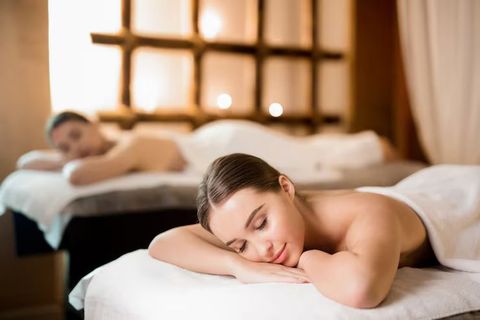
Spa massage is a form of hands-on bodywork commonly used to promote relaxation, ease muscle tension, and support general wellbeing.
Different techniques use varying levels of pressure and movement, making massage suitable for different preferences and wellness goals.
Understanding spa massage benefits can help people make informed choices about relaxation practices. It is also useful to know the differences between common massage approaches, possible limitations, and situations in which professional medical guidance may be appropriate.

Context
Spa massage generally involves rhythmic movements, pressure, kneading, or stretching applied to muscles and other soft tissues. The techniques used depend on the type of massage, the person's preferences, and the practitioner's training.
Massage has a long history in several cultures. Traditional forms of bodywork developed independently across regions, including practices associated with India, China, Japan, Thailand, and parts of Europe. Modern spa environments often combine traditional techniques with contemporary wellness practices.
Common massage approaches include:
| Massage type | General characteristics | Common purpose |
|---|---|---|
| Swedish massage | Gentle to moderate strokes and kneading | Relaxation and general wellbeing |
| Deep-tissue massage | More focused and sustained pressure | Addressing areas of muscle tension |
| Sports massage | Techniques adapted to physical activity | Supporting recovery and mobility |
| Thai massage | Assisted stretching and rhythmic pressure | Flexibility and relaxation |
| Hot-stone massage | Heated stones combined with massage techniques | Relaxation and muscle comfort |
| Aromatherapy massage | Massage combined with selected aromatic oils | Relaxation and sensory wellbeing |
The term “spa massage” can therefore describe several different approaches rather than one standardized technique.
Importance
Massage may matter to people who experience everyday muscle tension, temporary stiffness, or stress-related discomfort. Relaxation is one of the most commonly reported reasons people seek massage, and some individuals incorporate it into broader wellbeing routines.
Research suggests that massage may provide short-term improvements in relaxation and certain types of discomfort. However, results can vary according to the technique, frequency, individual health circumstances, and the outcome being measured.
Potential areas of interest include:
- Temporary relief of muscle tension
- Relaxation and perceived stress reduction
- Short-term improvement in feelings of wellbeing
- Support for comfortable movement
- Personal relaxation routines
- Awareness of muscular tightness and body tension
Massage should not automatically be considered a treatment for an underlying medical condition. Persistent pain, unexplained symptoms, swelling, weakness, numbness, or other concerning changes should be evaluated by an appropriate healthcare professional.
Some people also need additional precautions. Individuals with certain medical conditions, recent injuries, blood-clotting concerns, or other health issues should discuss massage with a qualified healthcare professional before receiving it.
Recent Updates
Massage and wellness practices continue to evolve as consumers and researchers place greater emphasis on evidence-based wellbeing. Current trends include greater attention to personalized approaches, practitioner training, hygiene, informed consent, and clear communication about expectations.
Digital technology has also influenced how people learn about massage. Educational platforms, appointment systems, wellness applications, and online health resources make information more accessible. However, online information varies in quality, so authoritative medical and public-health sources remain important for health-related questions.
Another development is increased interest in the distinction between relaxation-focused massage and healthcare-related therapeutic care. A relaxation massage may be intended primarily for comfort and wellbeing, while rehabilitation or treatment of a specific condition may require assessment by an appropriately qualified healthcare professional.
Research continues to examine massage in areas such as chronic pain, anxiety symptoms, recovery from physical activity, and supportive care. Evidence differs across conditions, so individual research findings should not be generalized to every form of massage.
Laws or Policies
Rules governing massage practices differ considerably between countries, states, provinces, and local authorities. Some jurisdictions regulate massage practitioners through licensing, registration, education, examinations, or professional standards, while others use different regulatory frameworks.
In India, regulation can vary by state and by the type of establishment or practitioner involved. Local authorities may have requirements relating to business premises, public health, sanitation, worker safety, and other operational matters. People should check the applicable rules in their specific state and municipality rather than relying on regulations from another location.
Important principles commonly associated with responsible massage practice include:
- Clear communication about the nature of the session
- Appropriate professional boundaries
- Informed consent
- Respect for privacy and personal dignity
- Proper hygiene and sanitation
- Appropriate practitioner training
- Referral to healthcare professionals when symptoms fall outside the practitioner's competence
Massage involving vulnerable individuals, minors, or people with particular medical circumstances may require additional safeguards. Regulations can also change, so official government or regulatory sources should be consulted for current requirements.
Tools and Resources
Several resources can help people understand massage, relaxation, and general wellbeing more accurately.
The World Health Organization provides broad health information and evidence-based guidance. National and state health departments can also provide information about local health regulations.
Useful resources include:
- Government health department websites for applicable regulations
- Professional regulatory bodies for practitioner requirements
- Medical libraries for research literature
- Hospital and university health pages for educational information
- Evidence-based health databases for reviewing clinical research
- Personal wellness journals for tracking relaxation, discomfort, and responses over time
A simple wellness record can include the date, massage technique, general duration, perceived tension before and afterward, and any unusual reactions. Such a record can help identify personal patterns, although it should not replace medical assessment.
When evaluating online information, look for clear references, publication dates, qualified authors, and explanations of evidence limitations. Claims suggesting that massage can cure a wide range of diseases should be approached cautiously.
FAQs
What are the main spa massage benefits?
Commonly discussed benefits include relaxation, temporary reduction in muscle tension, and improved feelings of wellbeing. Individual responses differ, and massage should not be viewed as a universal treatment for medical conditions.
Is spa massage suitable for everyone?
Not necessarily. People with certain medical conditions, recent injuries, blood-clotting concerns, infections, or unexplained symptoms may need medical guidance before receiving massage.
What is the difference between Swedish and deep-tissue massage?
Swedish massage generally uses lighter to moderate techniques designed around relaxation and comfortable movement. Deep-tissue massage uses more focused pressure and may feel more intense.
How often should someone receive a spa massage?
There is no single frequency appropriate for everyone. Frequency depends on personal preferences, physical activity, goals, response to massage, and health circumstances.
Can massage replace medical treatment?
No. Massage may be part of a general wellbeing routine, but it should not replace diagnosis or treatment from an appropriately qualified healthcare professional when a medical problem is present.
Conclusion
Spa massage can be understood as a broad category of hands-on relaxation and bodywork techniques. Its commonly discussed benefits include relaxation, temporary muscle comfort, and support for general wellbeing, although individual experiences and scientific evidence vary.
Understanding different techniques, potential precautions, and local regulations can help people approach massage responsibly. Reliable health information and professional medical guidance are particularly important when symptoms persist or an underlying health condition may be involved.
Massage is most appropriately considered within the wider context of healthy lifestyle practices, including physical activity, adequate rest, stress management, and appropriate healthcare.
A factual approach also helps distinguish general relaxation practices from medical treatment and avoids unrealistic expectations about what massage can accomplish.