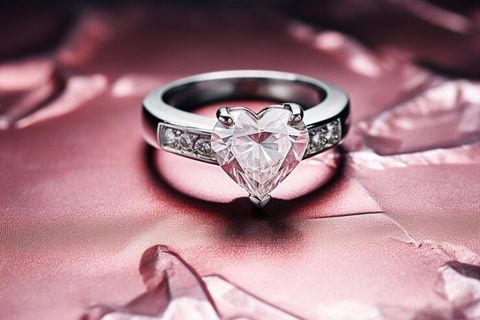
Diamond jewellery combines diamonds with precious-metal settings to create pieces such as rings, earrings, necklaces, and bracelets. Understanding diamond characteristics, metal types, jewellery construction, grading information, and care practices can help readers interpret product descriptions and make informed decisions.
Diamond jewellery can contain natural diamonds, laboratory-grown diamonds, or diamond simulants, depending on the piece. The appearance of a finished item is influenced by diamond shape, cut quality, color, clarity, carat weight, setting design, and the metal used.
Context
Diamond jewellery has a long history across different cultures, with diamonds becoming especially associated with ceremonial jewellery and personal adornment over time. Modern jewellery combines traditional craftsmanship with computer-aided design, precision cutting, advanced manufacturing, and laboratory-based gemstone analysis.
The four common categories covered in this guide are rings, earrings, necklaces, and bracelets. Each has different construction requirements and practical considerations.
| Jewellery Type | Common Features | Important Details |
|---|---|---|
| Diamond Rings | Central or multiple stones, various settings | Ring size, setting security, diamond characteristics |
| Diamond Earrings | Stud, hoop, drop, or cluster designs | Back mechanism, symmetry, comfort |
| Diamond Necklaces | Pendants, chains, line or cluster designs | Chain construction, pendant weight, clasp |
| Diamond Bracelets | Linked, tennis, bangle, or station designs | Flexibility, clasp strength, stone security |
Diamonds themselves can be described using the four commonly discussed characteristics: cut, color, clarity, and carat weight. These characteristics describe different aspects of a diamond and should not be treated as interchangeable measures.
Natural diamonds form naturally within the Earth, while laboratory-grown diamonds are produced through technological processes and have essentially the same chemical, physical, and optical properties as natural diamonds. Simulated diamonds, such as cubic zirconia, are different materials that imitate some visual characteristics of diamonds.
Importance
Understanding diamond jewellery matters because small differences in design, materials, and gemstone characteristics can affect appearance, durability, maintenance requirements, and documentation.
For rings, the setting holds the diamond securely while allowing different levels of visibility. Common settings include prong, bezel, halo, pavé, and channel styles. Ring design also needs to account for finger movement and everyday contact with other objects.
Earrings require attention to balance, backing mechanisms, and the way diamonds are positioned around the ear. Stud earrings generally have a compact construction, while drop and hoop designs can involve more moving components.
Necklaces may use a single diamond pendant or multiple stones distributed along a chain. The clasp and connecting components are important because they help keep the necklace secure during normal movement.
Bracelets experience repeated movement around the wrist. Designs therefore commonly use flexible links, articulated sections, secure clasps, or continuous structures. Regular inspection can help identify loose settings or worn components before they become more noticeable.
When examining diamond jewellery information, useful details include:
- Diamond origin or type
- Carat weight
- Cut and shape
- Color and clarity information
- Metal purity
- Setting style
- Grading documentation where applicable
- Treatment disclosures
- Care instructions
A laboratory grading report can provide information about an individual diamond's characteristics. However, a grading report and a jewellery hallmark serve different purposes. A grading report primarily describes the gemstone, while a metal hallmark provides information about precious-metal fineness under the applicable hallmarking system.
Recent Updates
One important development in modern diamond jewellery is the increased availability and recognition of laboratory-grown diamonds. Advances in high-pressure high-temperature and chemical-vapor-deposition technologies have expanded the range of laboratory-grown diamond characteristics and jewellery designs.
Clear terminology has also become increasingly important. In the United States, Federal Trade Commission guidance states that laboratory-created or laboratory-grown diamonds should be clearly identified as such rather than being presented simply as mined diamonds. The FTC also provides guidance concerning simulated diamonds and gemstone treatments.
Digital jewellery information has also expanded. Online descriptions may provide diamond measurements, grading information, metal details, treatment information, and care guidance. This makes it useful to compare the written description with supporting documentation rather than relying only on photographs.
Computer-aided design and precision manufacturing have changed jewellery production. Designers can create detailed three-dimensional models before physical production, while modern cutting and setting techniques can improve consistency across repeated designs.
Sustainability discussions have also become more prominent within the diamond sector. Topics include diamond origin, supply-chain documentation, laboratory-grown diamonds, recycled metals, and responsible sourcing practices. These subjects can involve different standards and claims, so readers should examine the specific evidence behind any environmental or sourcing statement.
Laws or Policies
Jewellery rules differ considerably between countries. They can cover metal purity, hallmarking, gemstone descriptions, advertising claims, consumer information, and product documentation.
In India, the Bureau of Indian Standards operates the hallmarking framework for gold and silver jewellery. BIS states that hallmarking identifies the purity of precious-metal jewellery, and hallmarked gold jewellery includes the BIS logo, purity/fineness mark, and a six-digit alphanumeric Hallmark Unique Identification (HUID) number. HUID information can be verified through the BIS Care App.
BIS currently lists permitted gold jewellery fineness grades including 14K, 18K, 20K, 22K, 23K, and 24KS under the applicable Indian standard.
In the United States, the FTC Jewelry Guides address truthful descriptions of diamonds, gemstones, precious metals, treatments, and laboratory-created or simulated stones. The guidance emphasizes that important characteristics should not be misrepresented or concealed.
The FTC also states that certain gemstone treatments should be disclosed, particularly when a treatment is not permanent, creates special care requirements, or significantly affects the gemstone's value. Laser drilling is one example discussed in the guidance.
For businesses and consumers operating in other countries, local consumer-protection, hallmarking, customs, taxation, and product-labeling requirements may apply. Regulations can change, so official government sources should be consulted for the relevant jurisdiction.
Tools and Resources
Several resources can help readers understand diamond jewellery more clearly.
The BIS hallmarking resources are useful for checking information about gold and silver hallmarking in India, including HUID-related information.
The Federal Trade Commission's Jewelry Guides provide information about truthful descriptions of diamonds, gemstones, precious metals, treatments, and laboratory-created materials in the United States.
Gemological laboratory reports can also provide structured information about an individual diamond. Depending on the laboratory and report type, details may include measurements, carat weight, color, clarity, cut characteristics, proportions, and identifying features.
A basic comparison checklist can include:
- Identify whether the diamond is natural, laboratory-grown, or simulated.
- Check the stated carat weight and measurements.
- Review available grading documentation.
- Identify the metal and stated purity.
- Check for treatment disclosures.
- Review care and maintenance instructions.
- Compare the written specifications with the physical piece or documentation.
These steps help separate objective product information from subjective descriptions such as style, appearance, or personal preference.
FAQs
What are the main types of diamond jewellery?
The main categories include rings, earrings, necklaces, and bracelets. Each category has different designs, settings, clasps, and practical considerations.
What does the four Cs of a diamond mean?
The four Cs refer to cut, color, clarity, and carat weight. They describe different characteristics of a diamond and are commonly included in diamond grading information.
What is the difference between a natural and laboratory-grown diamond?
A natural diamond forms through geological processes, while a laboratory-grown diamond is produced using technological methods. Laboratory-grown diamonds have essentially the same chemical, physical, and optical properties as natural diamonds.
Why is a jewellery hallmark important?
A hallmark can provide information about the purity of precious metal under the relevant national hallmarking system. In India, BIS hallmarked gold jewellery includes a purity/fineness mark and HUID along with the BIS logo.
How should diamond jewellery be maintained?
Regularly inspect settings and clasps, keep pieces away from harsh chemicals, and follow the care guidance appropriate to the diamond, metal, and any disclosed gemstone treatment.
Conclusion
Diamond jewellery includes a broad range of rings, earrings, necklaces, and bracelets, with differences in diamond characteristics, metal composition, settings, and construction. Understanding these details makes jewellery descriptions easier to interpret and supports more informed decisions.
Natural diamonds, laboratory-grown diamonds, and simulated stones should be distinguished clearly. Metal purity, hallmarking, grading documentation, gemstone treatments, and care requirements are also important areas to understand.
Rules vary by country, so official regulatory resources should be used when specific legal requirements apply. For India, BIS provides information about hallmarking and HUID, while the U.S. FTC provides guidance concerning jewellery descriptions and diamond disclosures.